
The Essential Guide to Travel Insurance for Egypt
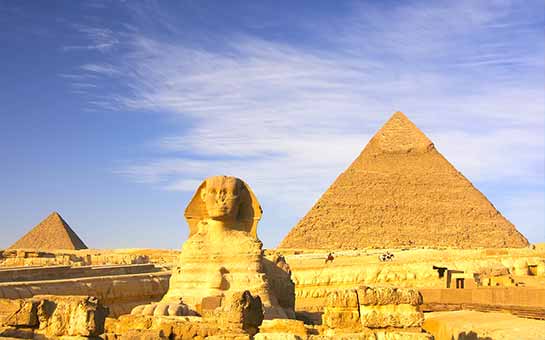
A journey to Egypt is a journey back in time. Standing before the Great Pyramids of Giza, cruising the Nile, and navigating the bustling markets of Cairo are experiences that create lifelong memories. But to fully enjoy these modern and ancient wonders, it’s crucial to plan for the unexpected. The single most important step you can take to protect both your health and your financial investment is to secure comprehensive Egypt travel insurance.
This guide will walk you through the essentials of choosing the right travel insurance for Egypt, detailing which coverages are not just recommended, but vital for a worry-free adventure.
Essential Travel Tips for Your Egyptian Adventure
Being prepared can make your trip to Egypt safer and more enjoyable. Keep these tips in mind:
- Stay Hydrated and Sun-Safe: Egypt's climate is hot and dry. Drink plenty of bottled water to avoid dehydration and wear light, loose-fitting clothing, a hat, and sunscreen to protect yourself from heat exhaustion.
- Be Mindful of Food and Water: Only drink bottled or purified water. Avoid ice in drinks and eat from reputable restaurants and stalls where food is cooked fresh and served hot to prevent stomach ailments.
- Respect Local Customs: Egypt is a predominantly Muslim country with conservative values. Dress modestly, especially when visiting mosques and religious sites, by covering your shoulders and knees. Public displays of affection are generally frowned upon.
- Navigate Tourist Sites Wisely: Be cautious of scams at popular tourist sites. Politely but firmly decline "free" gifts or unsolicited help from strangers, as they will often demand payment. Agree on a price before accepting a service, like a camel ride or a taxi.
- Secure Your Valuables: Petty crimes like pickpocketing can occur in crowded areas. Keep your valuables in a money belt or a secure bag and be aware of your surroundings at all times.
- Know the Photography Rules: It is illegal to take photographs of military installations, certain bridges, and some public buildings. Always ask for permission before photographing local people.